Tibet Travel Guide: Sacred Landscapes, High-Altitude Journeys and Cultural Discovery
Tibet is not a destination that reveals itself quickly. Vast, elevated, and spiritually resonant, it asks for a different pace of travel. Here, the landscape is inseparable from belief: mountain passes are draped in prayer flags, monasteries rise from rock and sky, and long roads unfold across a plateau that feels both remote and immense.
For travelers drawn to high-altitude beauty, sacred architecture, and journeys with a strong sense of place, Tibet offers something rare. It is not simply about sightseeing. It is about entering a geography of scale, silence, ritual, and endurance.
This Tibet travel guide brings together the destination’s most compelling dimensions: cultural landmarks, overland routes, photography landscapes, practical altitude considerations, and the essential advice needed to travel well.
Why Visit Tibet
Tibet is especially suited to travelers who want depth, atmosphere, and a powerful sense of remoteness.
It is ideal for:
travelers drawn to sacred landscapes and Buddhist culture
photographers seeking high-altitude light and monumental scenery
overland travelers who value the journey as much as the destination
guests interested in slow, reflective travel
explorers building a Himalayan or trans-plateau itinerary
travelers who want a destination that feels profound rather than convenient
What makes Tibet distinctive is not just its elevation, but its intensity. The skies feel larger, the distances longer, and the relationship between land and spirituality more visible than almost anywhere else in Asia.
Tibet for Sacred Landscapes and High-Altitude Exploration
Tibet is one of the most compelling destinations in the Himalayas for travelers who want a journey shaped by scale, symbolism, and elemental beauty.
Lhasa and the Spiritual Heart of Tibet
Lhasa remains the natural starting point for most Tibet journeys. It is the cultural and spiritual heart of the region, where pilgrimage, ritual, and monumental architecture converge.
Key highlights include:
the Potala Palace
Jokhang Temple
Barkhor pilgrimage circuit
major monasteries such as Sera and Drepung
an immediate immersion into Tibetan religious life
Lhasa is not only historically important. It also gives travelers time to acclimatize before moving deeper into the plateau.
Yamdrok Lake and the Southern Plateau
Beyond Lhasa, Tibet opens into one of its most visually striking dimensions: long roads, high passes, glacier-fed lakes, and immense openness.
Yamdrok Lake is one of the most memorable early overland experiences and is especially rewarding for travelers who want:
dramatic high-altitude scenery
turquoise lake views against arid mountain terrain
strong photographic contrast
a sense of leaving the city and entering the wider plateau
Everest Region Journeys
For many travelers, the overland route toward Everest is one of the defining experiences of Tibet. The journey itself matters as much as the destination.
Expect:
sweeping plateau roads
remote settlements and monasteries
Himalayan viewpoints
the changing atmosphere of increasing altitude
a deeper sense of Tibet’s scale and austerity
Even for travelers who are not focused on trekking, this region offers one of the great overland journeys in Asia.
Best Places for Photography in Tibet
Tibet is exceptionally strong for visual storytelling because its landscapes are both monumental and stripped back. Light, space, ritual, and texture all play a central role.
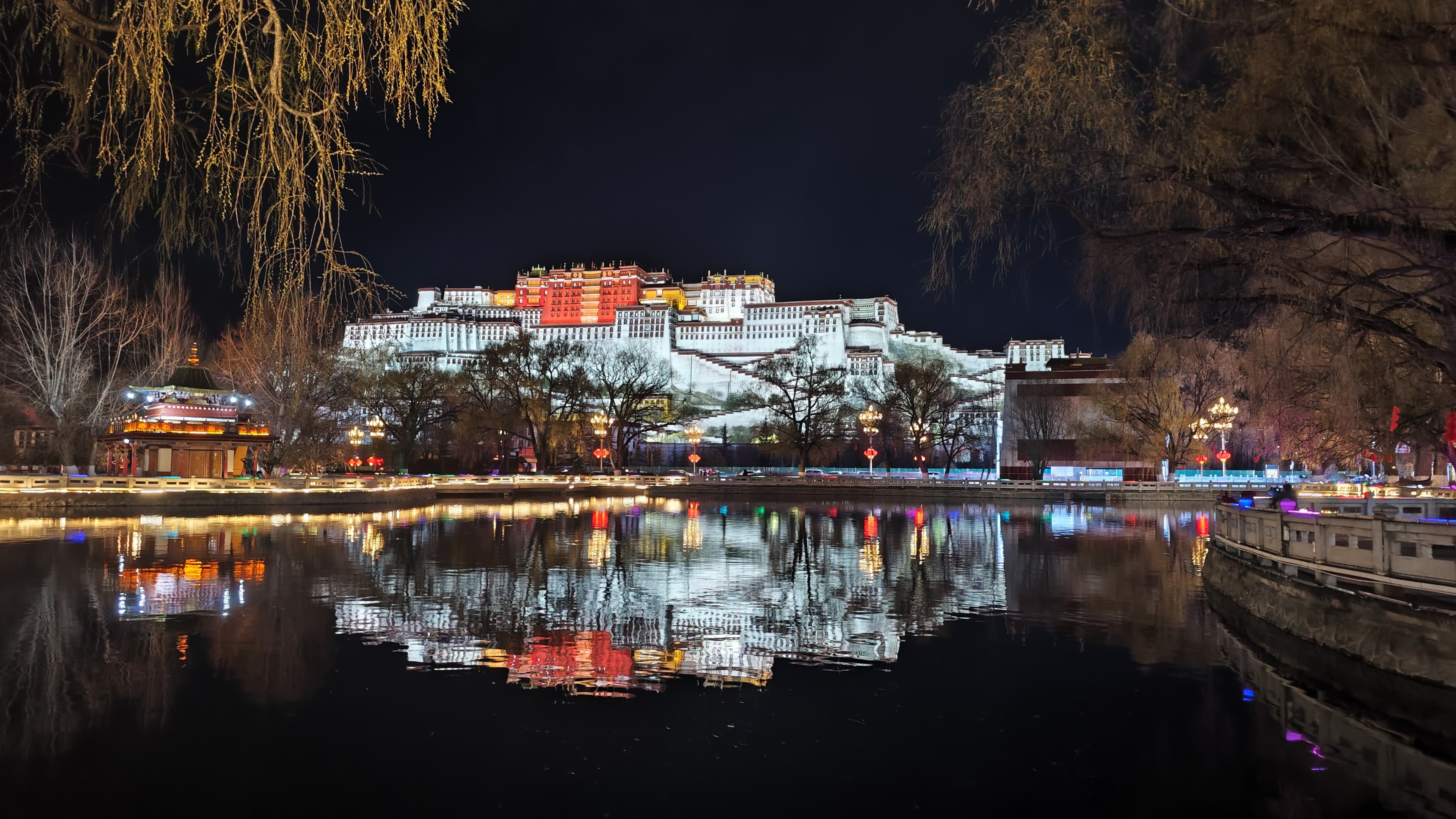
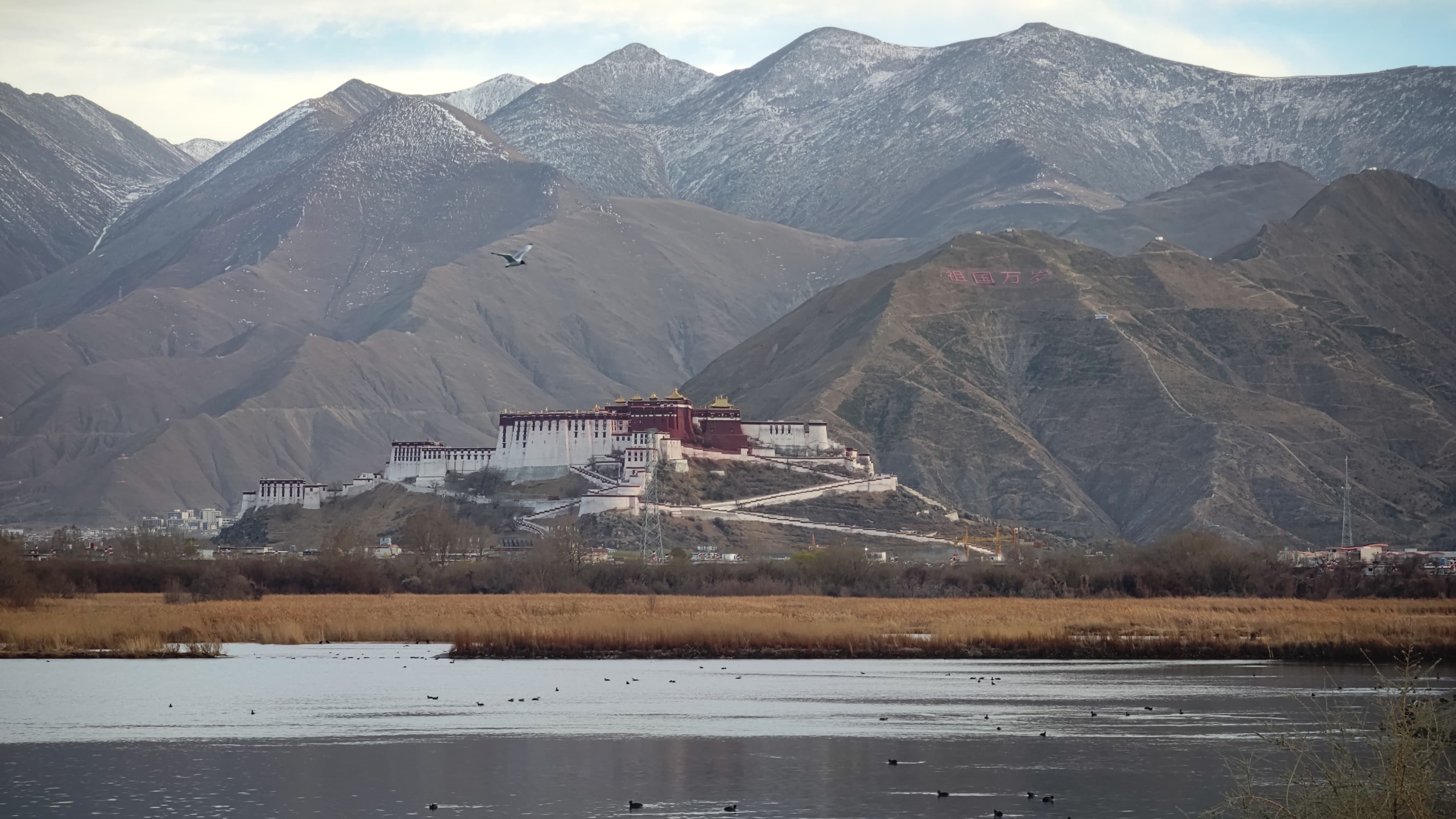
Potala Palace
The Potala Palace is one of Tibet’s defining visual landmarks. It carries both architectural weight and symbolic power.
Best for:
early morning and late afternoon light
strong symmetry and elevation
iconic destination imagery
city-meets-sacred-landscape compositions
Barkhor and Old Lhasa
The older quarters of Lhasa offer a different photographic mood: more human, more intimate, and deeply tied to movement and ritual.
Best for:
street photography
pilgrimage scenes
detail and texture
portraiture with cultural depth
atmosphere-driven visual storytelling
Yamdrok Lake
Yamdrok Lake is one of Tibet’s strongest natural photography locations.
Best for:
high-altitude color contrast
long-distance landscapes
roadside compositions
changing weather and open-sky drama
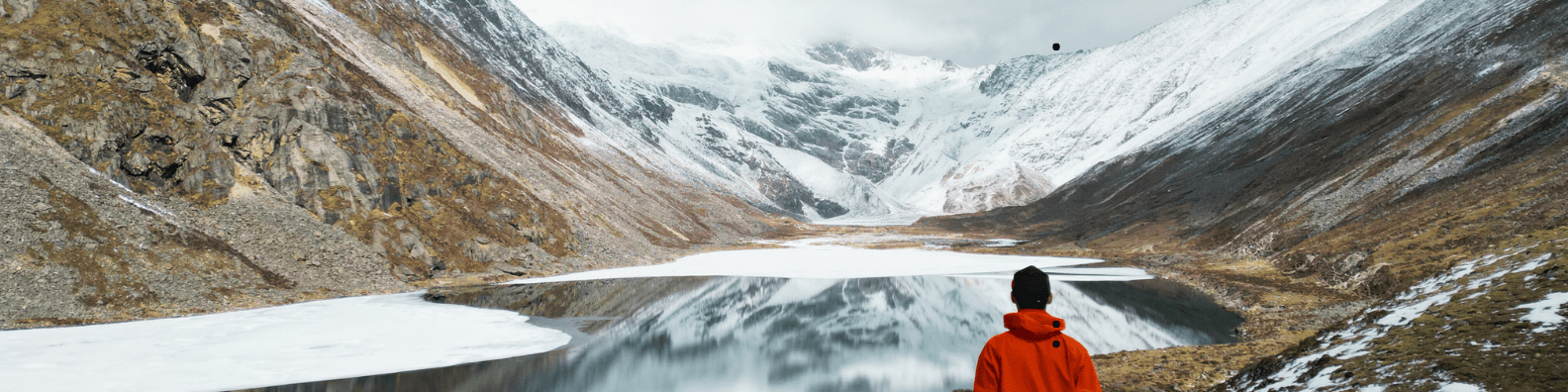
Everest Viewpoints
The route toward Everest rewards photographers interested in scale and minimalism.
Best for:
vast plateau foregrounds
snow peaks against stripped terrain
road and distance narratives
austere, cinematic mountain imagery
Tibet Overland Journeys and Slow Exploration
Tibet is not best experienced as a rushed checklist. It is a destination that benefits from overland pacing and careful sequencing.
Lhasa to Gyantse and Shigatse
This classic route is one of the best introductions to central Tibet. It allows travelers to move beyond Lhasa while adjusting gradually to the rhythm of the plateau.
It suits travelers looking for:
monasteries and historic towns
major scenic passes
lakes and agricultural valleys
a strong balance between culture and landscape
Lhasa to Everest Region
This is a more expansive route for travelers who want a stronger sense of distance and high-altitude drama.
It works especially well for those interested in:
iconic Himalayan views
long-form road travel
remote monasteries and plateau settlements
a more rugged and elemental Tibet experience
For many visitors, this route becomes the emotional center of the journey.
Culture and Monastic Tibet
Tibet’s appeal is inseparable from its religious and cultural life. The monasteries here are not decorative stops. They are living places of devotion, study, ritual, and continuity.
Experiences that often shape a Tibet journey include:
watching pilgrims circle sacred sites
hearing monks debate in monastery courtyards
entering assembly halls filled with butter lamps and incense
visiting monasteries positioned against vast mountain backdrops
understanding how everyday life remains connected to belief
For travelers seeking meaning as well as scenery, this cultural dimension is central.
Best Time to Visit Tibet
The best time to visit Tibet depends on your priorities, but most travelers aim for the months with clearer roads, stable conditions, and comfortable daytime temperatures.
Spring: April to June
Spring is one of the best periods for Tibet travel.
Best for:
clearer weather
overland journeys
cultural touring
early season mountain visibility
Summer: July to August
Summer brings greener valleys in some areas and remains a popular travel season.
Best for:
longer itineraries
a fuller sense of life on the plateau
travelers prioritizing access and activity
Conditions can vary by route, and some travelers prefer shoulder seasons for cleaner light and fewer crowds.
Autumn: September to October
Autumn is often considered one of the strongest seasons for Tibet.
Best for:
crisp views
strong photography conditions
long-distance overland routes
a balanced climate for cultural and scenic travel
Winter: November to March
Winter travel is quieter and more austere.
Best for:
fewer visitors
clear light in some areas
travelers comfortable with colder conditions
a more contemplative atmosphere
Altitude and Travel Planning in Tibet
Altitude is one of the most important parts of planning a Tibet trip. Even travelers in otherwise good health can feel the effects of high elevation.
Key considerations include:
spend time acclimatizing in Lhasa before traveling higher
avoid rushing the first days of the itinerary
stay hydrated and pace physical activity carefully
work with an experienced operator who understands altitude logistics
build the trip progressively rather than aggressively
A well-paced itinerary almost always produces a better experience than an ambitious but rushed one.
How to Travel in Tibet
Travel in Tibet requires more planning than many destinations in Asia. Permits, route logistics, and local regulations need to be handled carefully.
Most travelers arrange their trip through approved operators, who coordinate:
permits
transport
accommodation
guide services
route sequencing
This kind of structure is not a limitation when done well. It often makes the journey more fluid, safer, and more immersive.
Essential Tibet Travel Tips
prioritize acclimatization over ambition
expect strong sun and dry air at altitude
bring layers for major temperature swings
keep itineraries spacious rather than crowded
approach monastery visits with respect and patience
allow the road journey to be part of the experience, not just the transfer
Frequently Asked Questions
When is the best time to visit Tibet?
Spring and autumn are generally the best times to visit Tibet for overland travel, cultural touring, and clearer mountain views. Autumn is especially strong for photography and long-distance scenic routes.
Is Tibet difficult because of the altitude?
It can be. Altitude affects travelers differently, so a well-paced itinerary with time to acclimatize is essential. Starting in Lhasa and ascending gradually usually leads to a more comfortable journey.
Do I need permits to travel in Tibet?
Yes. Tibet travel typically requires permits and pre-arranged logistics, which are usually handled through an approved travel operator.
Is Tibet more about culture or landscape?
It is unusually strong in both. Some travelers are drawn primarily by monasteries and pilgrimage culture, while others come for the plateau, lakes, and Himalayan road journeys. The most rewarding trips combine both.
How many days should I spend in Tibet?
For most first-time travelers, 7 to 10 days is a strong starting point. This allows time for acclimatization in Lhasa and at least one overland extension into central Tibet or toward the Everest region.