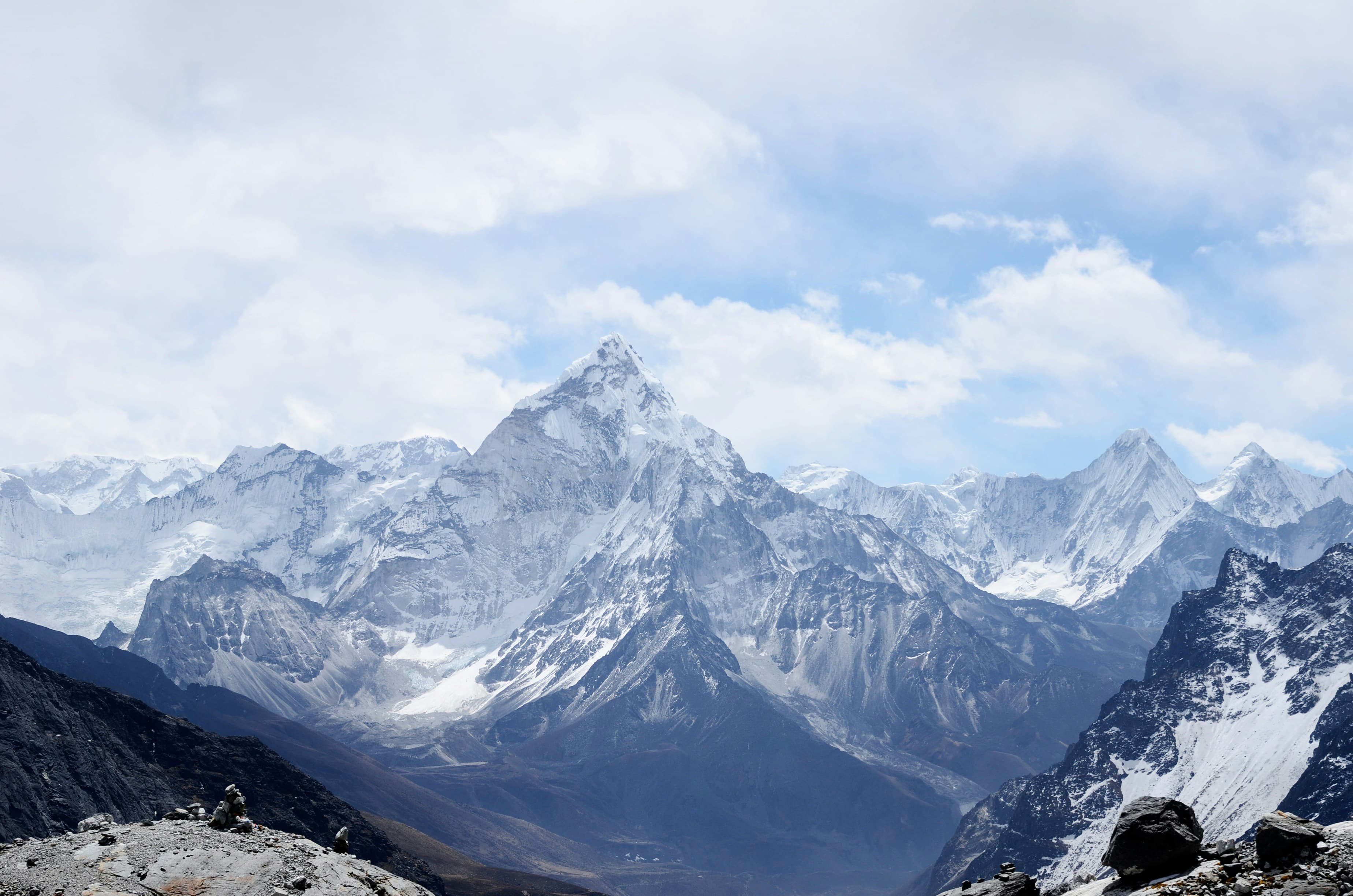
Bhutan Travel Guide: Trekking, Tiger’s Nest, Luxury Lodges and Travel Tips
Bhutan is one of the most distinctive destinations in the Himalayas. Known as the Land of the Thunder Dragon, it offers a rare combination of protected trekking landscapes, living Buddhist culture, and high-end lodges set in extraordinary valleys.
Unlike many mountain destinations, Bhutan follows a "High Value, Low Impact" tourism model. That means fewer visitors, stronger environmental protection, and a more curated travel experience. For travelers seeking pristine Himalayan trails, meaningful cultural encounters, and deeply restorative stays, Bhutan stands apart.
This Bhutan travel guide covers the best trekking routes, the iconic Tiger's Nest hike, luxury lodges, visa rules, Sustainable Development Fee details, and practical tips for planning your journey.
Why Visit Bhutan
Bhutan appeals to travelers looking for more than a standard sightseeing trip. It is especially well suited for:
- hikers seeking less crowded Himalayan routes
- travelers interested in Buddhist culture and monastery visits
- photographers looking for mountain light, dzongs, festivals, and seasonal landscapes
- luxury travelers who want privacy, design-led lodges, and meaningful experiences
- people who want a slower, more intentional journey
What makes Bhutan different is the way it combines wilderness, spirituality, and structure. Travel is highly regulated, which helps preserve both the landscape and the cultural experience.
Best Trekking Routes in Bhutan
Bhutan is one of the best trekking destinations in the Himalayas for travelers who value remoteness and low trail traffic.
Jomolhari Trek
The Jomolhari Trek is one of Bhutan's most well-known high-altitude routes. It typically takes around 7 to 9 days and is best suited to experienced hikers.
Highlights include:
- close views of Mount Jomolhari
- high mountain passes
- alpine meadows
- remote settlements and yak herder camps
This is one of the best options for trekkers who want a serious Himalayan experience without the crowding found on more famous routes elsewhere in the region.
Druk Path Trek
The Druk Path Trek is one of Bhutan's classic shorter treks, usually completed in 5 to 6 days. It links Paro and Thimphu and is often chosen by travelers who want a manageable highland trek combined with cultural touring.
Highlights include:
- high-altitude lakes
- ridge walks with mountain views
- forest campsites
- easy integration into a first Bhutan itinerary
For many travelers, this is the most accessible multi-day trek in Bhutan.
Tiger's Nest Hike
No Bhutan travel guide is complete without the hike to Paro Taktsang, also known as Tiger's Nest Monastery. Perched on a cliff high above the Paro Valley, it is Bhutan's most iconic landmark.
The hike is steep but achievable for travelers with moderate fitness. Most visitors complete it in 4 to 5 hours round trip, depending on pace and weather.
Expect:
- a steady uphill climb
- dramatic valley views
- a strong spiritual atmosphere
- one of the most memorable monastery settings in Asia
Best Time to Visit Bhutan
The best time to visit Bhutan depends on your priorities.
Spring: March to May
Spring is one of the most popular seasons for Bhutan travel.
Best for:
- clear weather
- rhododendron blooms
- trekking
- photography
- cultural touring
Autumn: September to November
Autumn is another peak season and is often considered the best time for trekking in Bhutan.
Best for:
- crisp mountain views
- stable conditions
- major festivals
- classic Himalayan landscapes
Summer: July to August
Summer is less conventional, but it can be rewarding for the right traveler.
Best for:
- lush green valleys
- fewer tourists
- moody cloudscapes
- atmospheric photography
Winter: December to February
Winter brings colder temperatures, but also clearer skies in many valleys and fewer visitors.
Best for:
- quiet cultural journeys
- lower-season travel
- travelers less focused on long high-altitude trekking
Luxury Lodges in Bhutan
Bhutan has become one of the most compelling luxury travel destinations in the Himalayas. Its top hotels combine strong design, a sense of place, and access to both cultural and outdoor experiences.
Well-known options include:
- Amankora
- Six Senses Bhutan
- COMO Uma Paro
- COMO Uma Punakha
- Zhiwaling Heritage Hotel
- Gangtey Lodge
Many travelers choose lodge-to-lodge journeys across multiple valleys. These stays often include:
- hot stone baths
- wellness treatments
- private guides
- farm-to-table dining
- beautifully designed rooms with mountain or valley views
For travelers interested in slow luxury, Bhutan is especially strong because the experience feels quiet, intentional, and deeply connected to place.
How to Travel to Bhutan
Travel to Bhutan is more structured than in many other countries, so planning ahead matters.
Visa Rules
Most international travelers need a visa to enter Bhutan. The visa process is usually handled in advance through an approved Bhutanese tour operator or hotel.
Sustainable Development Fee (SDF)
Bhutan requires most international visitors to pay a daily Sustainable Development Fee. This fee supports conservation, infrastructure, healthcare, and education.
Because Bhutan's tourism rules can change, travelers should always confirm the current SDF and visa requirements before booking.
Independent Travel
Bhutan does not operate like a backpacking destination. Travelers usually need a pre-arranged itinerary with licensed local support, especially for a well-organized first trip.
How Many Days Do You Need in Bhutan
For most first-time visitors, 7 to 10 days is ideal.
A shorter trip can cover:
- Paro
- Thimphu
- Punakha
- Tiger's Nest
A longer trip allows time for:
- Phobjikha Valley
- a multi-day trek
- slower lodge stays
- photography-focused travel
- a more relaxed pace for acclimatization
Essential Bhutan Travel Tips
- book early if traveling in spring or autumn
- build in acclimatization if doing high-altitude trekking
- wear layers, as temperatures can shift quickly
- bring good walking shoes even for cultural itineraries
- choose a window seat when flying into Paro for spectacular mountain views
- work with a reputable local operator to ensure smooth logistics
Frequently Asked Questions
When is the best time to visit Bhutan?
Spring from March to May and autumn from September to November are generally the best times to visit Bhutan for trekking, clear views, and cultural touring. Summer can also be rewarding for travelers who prefer greener landscapes and fewer visitors.
Do I need to be very fit to hike Tiger's Nest?
No. The hike is steep, but many travelers with moderate fitness complete it comfortably by taking their time. Horses are available for part of the ascent, though the final section must be done on foot.
Can you travel independently in Bhutan?
Bhutan travel is more regulated than in many countries, and most trips are arranged in advance through approved local partners or hotels.
Is Bhutan expensive to visit?
Bhutan is generally a premium destination because of its tourism structure, daily fees, and guided travel format. However, for many travelers, the exclusivity, preservation, and quality of experience justify the cost.
How many days should I spend in Bhutan?
A 7 to 10 day itinerary is ideal for most first-time visitors. This gives enough time for cultural highlights, a Tiger's Nest hike, and at least one deeper valley or trekking experience.